Understanding Optimal Length-Tension Relationships in Joints: From Toes to Neck
In the world of biomechanics, the concept of optimal length-tension relationships is crucial for understanding how our muscles and joints function. Just as a sailboat's performance depends on the proper tension between the sail and the boat’s frame, or how a guitar's sound relies on the correct tension of its strings, our joints and muscles depend on these relationships to function optimally. This balance affects everything from the big toe to the neck, influencing movement efficiency and reducing injury risk.
The Length-Tension Relationship Explained
Muscles generate the most force when they are at an optimal length—not too stretched and not too contracted. This relationship is akin to the tension in a guitar string; when tuned properly, the string produces a clear, strong note. Similarly, muscles that are too tight (hypomobile) or too loose (hypermobile) cannot generate maximal force, which can lead to inefficiencies and potential injuries.

Key Areas for Testing Length-Tension Relationships
Big Toe: The optimal length-tension relationship in the flexor and extensor muscles of the big toe is vital for balance and propulsion during walking and running. Imbalances can lead to issues like plantar fasciitis or metatarsalgia.
Ankles and Calves: Testing the gastrocnemius and soleus muscles’ length-tension relationship helps ensure proper ankle mobility and stability, critical for activities like jumping and running.
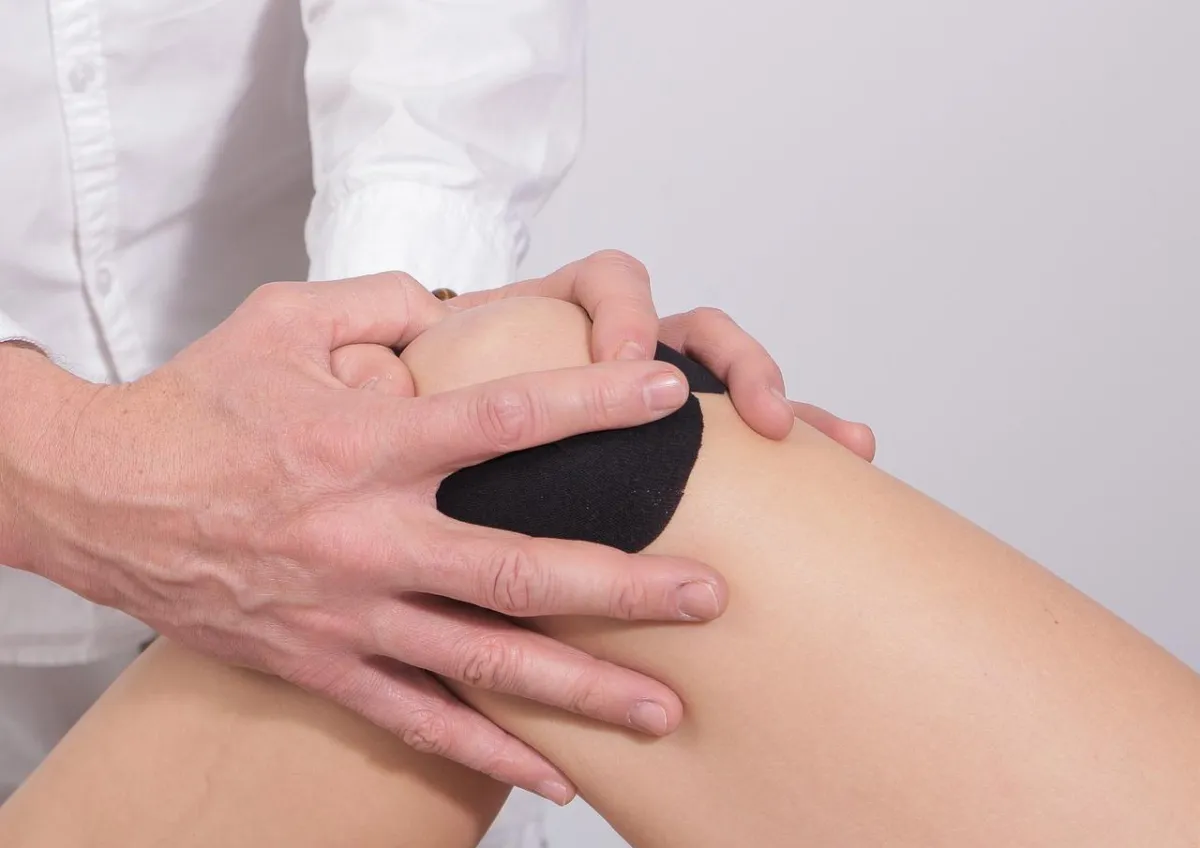
Knees: The quadriceps and hamstrings must maintain an optimal relationship to prevent knee instability or injuries such as ACL tears.
Hips: The length-tension relationship in the hip flexors, extensors, and abductors is crucial for maintaining pelvic stability and preventing lower back pain.
Shoulders: Testing the deltoids, rotator cuff muscles, and other shoulder stabilizers helps in avoiding shoulder impingements and maintaining upper body strength.
Neck: The muscles supporting the cervical spine, including the sternocleidomastoid and trapezius, need to have the right tension to prevent neck strain and headaches.
Risks of Imbalanced Length-Tension Relationships
Hypermobile Joints: When a joint is hypermobile, the surrounding muscles may lack the tension needed to stabilize the joint, increasing the risk of dislocations or chronic pain.
Hypomobile Joints: Conversely, joints that are too tight can restrict movement, increasing the risk of muscle tears or strains due to the excessive force required to move them.
Final Thoughts
Just as a sailboat or guitar requires optimal tension for peak performance, our muscles and joints need proper length-tension relationships to function efficiently. By regularly testing and adjusting these relationships, from the big toe to the neck, we can enhance movement, prevent injuries, and maintain overall joint health. Understanding and addressing these dynamics is essential for anyone seeking to optimize physical performance and minimize the risk of injury.
Keep Reading:
Why Movement Is More Than Exercise: Paul Chek's Sixth Pillar Explained
Three Homework Assignments to Build a Strong Foundation
Enhancing Performance Programs with Velocity Based Training
Not sure if your joints are optimally positioned? Our Biomechanics Assessment evaluates your length-tension relationships throughout your entire kinetic chain. Get assessed →
Master movement optimization in the Loosen, Lengthen, Mobilize, Integrate course →