
PNOE Metabolic Testing Benefits
Answer first: A PNOĒ test is breath-by-breath metabolic analysis. It measures oxygen uptake and carbon dioxide production at rest or during exercise, then reports related cardiorespiratory and fuel-use metrics. At Starke Industries, PNOĒ cardiometabolic analysis informs training and nutrition planning as monitoring data—not as a medical diagnosis.
What the test measures
Manufacturer materials describe a set of metabolic and cardiorespiratory biomarkers from breath analysis. Common outputs used in performance settings include VO₂ (and VO₂ max / peak on exercise protocols), resting metabolic rate (RMR), respiratory exchange ratio (RER / RQ), estimates of fat versus carbohydrate contribution, and ventilatory thresholds. Exact report fields depend on the protocol (resting, exercise, or both).
VO₂ as a training monitoring indicator
VO₂ is oxygen used per unit time. Peak or maximal oxygen uptake from an incremental protocol is a widely used cardiorespiratory fitness marker. Practitioners use it—and related thresholds—to set intensity zones and to track change after a training block. Zone cutoffs are configurable program rules, not universal clinical norms.
Peer-reviewed work compared the portable PNOĒ analyzer to an established laboratory cart: Tsekouras et al. (2019) reported strong agreement with a COSMED Quark CPET for VO₂, VCO₂, ventilation, and respiratory quotient during cycle ergometry (Frontiers in Sports and Active Living, DOI: 10.3389/fspor.2019.00024).
Resting metabolic rate (RMR)
An RMR test estimates calories burned at rest from measured gas exchange during quiet breathing. Preparation usually includes fasting and avoiding recent hard training because recent food, caffeine, and activity can change the reading. A measured RMR is one data point for nutrition planning. It is not a diagnosis of a “slow metabolism,” and equation-based estimates can diverge from measured values for an individual.
Fuel use (fat vs carbohydrate)
RER (VCO₂ / VO₂) helps estimate the carbohydrate–fat mix under the conditions of that session. Treat the estimate as a monitoring indicator for intensity and preparation status—not as a fixed personal trait or a clinical finding. Re-test under similar prep rules before you rewrite someone’s entire nutrition plan from one session.
How Starke Industries uses the results
Build or adjust aerobic and threshold training from exercise-protocol metrics.
Align calorie and fueling plans with measured RMR and session fuel-use data when nutrition is in scope.
Re-test under similar preparation rules to see whether the plan changed the measured qualities.
Keep day-to-day decisions grounded in session RPE and wellness questionnaires between formal tests.
PNOĒ testing does not replace medical evaluation for unexplained symptoms, unexplained weight change, or suspected disease. See the service page: PNOĒ cardiometabolic analysis.
Sources
Tsekouras YE et al. Validity and Reliability of the New Portable Metabolic Analyzer PNOE. Front Sports Act Living. 2019;1:24. DOI: 10.3389/fspor.2019.00024
Related reading
HYPERMAX EWOT · The power of breath · Magnesium and recovery
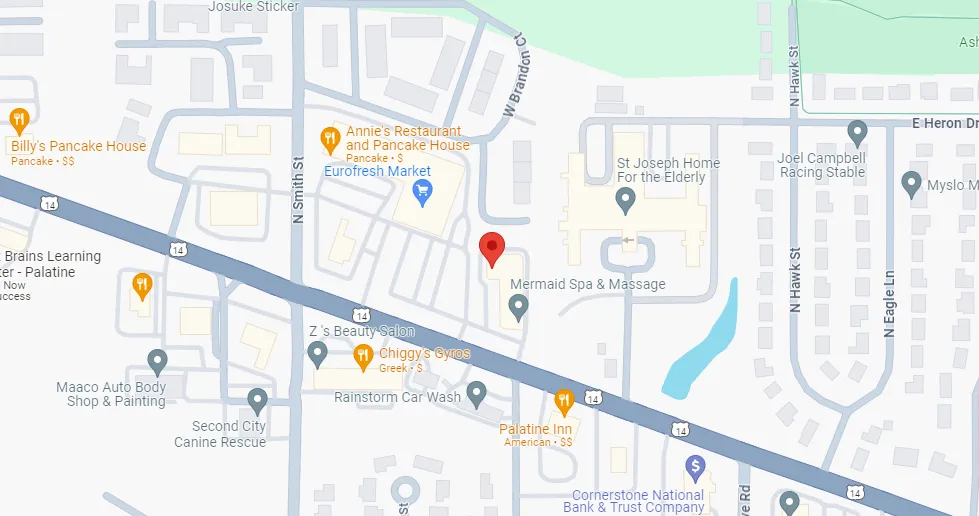
Fill out our quick contact form at starkeit.com/contact, or call or text (847) 750-3025. Starke Industries is in Palatine, IL.
Contact Starke Industries: 122 West Northwest Highway, Palatine IL 60067 · (847) 750-3025 · tyler@starkeit.com